
Mount Kilimanjaro
Mount Kilimanjaro: Africa’s Highest Mountain
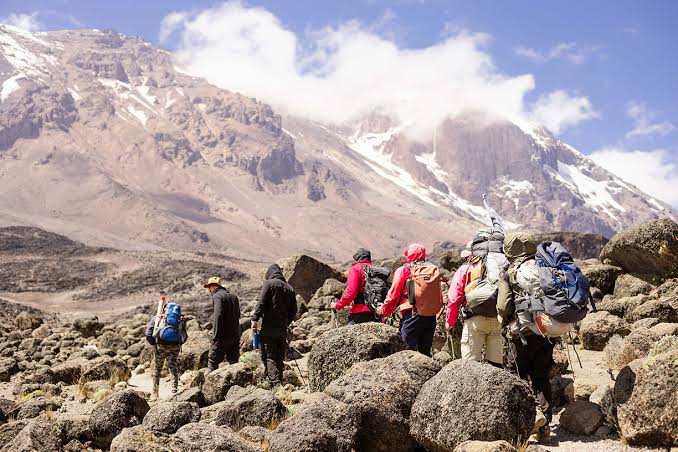
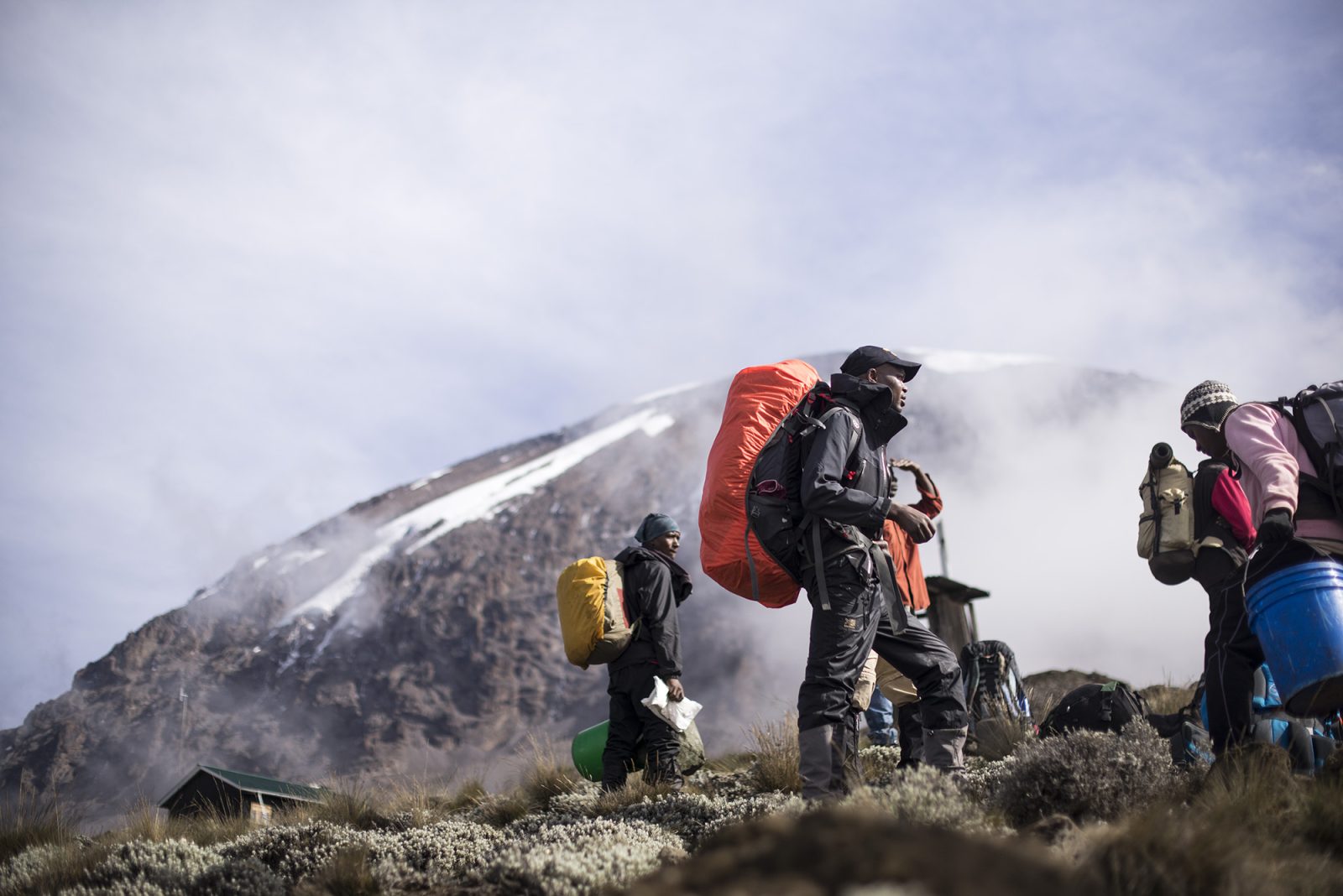
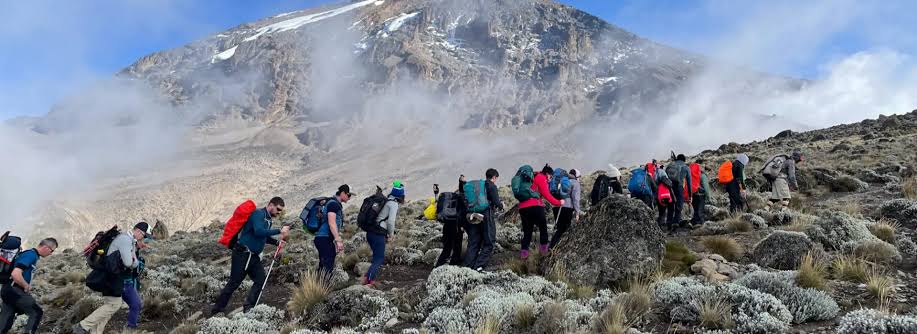
Mount Kilimanjaro is one of Africa’s most iconic natural wonders, famous for its snow-capped summit, breathtaking landscapes, and the unforgettable adventure of climbing the highest mountain in Africa.
Why Visit Mount Kilimanjaro?
Mount Kilimanjaro offers an extraordinary adventure through diverse natural environments, from lush rainforests and moorlands to alpine deserts and icy summit landscapes. Standing at 5,895 metres above sea level, it is the highest mountain in Africa and the world’s tallest free-standing mountain.
Climbing Kilimanjaro is a rewarding experience for adventure seekers, nature lovers, and travellers looking to challenge themselves while enjoying some of Tanzania’s most spectacular scenery.
Top Things to Do on Mount Kilimanjaro
-
Climb to Uhuru Peak: Reach the highest point in Africa and enjoy unforgettable views from the summit.
-
Explore Different Vegetation Zones: Experience the mountain’s changing landscapes, from tropical rainforest to alpine desert.
-
Enjoy Mountain Scenery: Discover breathtaking views of valleys, forests, glaciers, and surrounding landscapes.
-
Experience Local Culture: Learn about the Chagga people and their traditions around the foothills of Kilimanjaro.
-
Enjoy Photography: Capture the mountain’s unique landscapes, wildlife, and spectacular sunrise views.
Mount Kilimanjaro Climbing Routes
Mount Kilimanjaro has several established climbing routes, each offering a different experience depending on the duration, scenery, difficulty, and acclimatization opportunities.
1. Machame Route (Whiskey Route)
The Machame Route is one of the most popular routes on Mount Kilimanjaro. It is famous for its beautiful scenery, varied landscapes, and excellent acclimatization opportunities.
-
Duration: 6–7 days
-
Accommodation: Camping
-
Difficulty: Moderate to challenging
-
Highlights: Shira Plateau, Lava Tower, Barranco Wall, and scenic mountain views.
2. Marangu Route (Coca-Cola Route)
The Marangu Route is the only Kilimanjaro route offering hut accommodation. It follows a gradual trail through rainforest and alpine landscapes.
-
Duration: 5–6 days
-
Accommodation: Mountain huts
-
Difficulty: Moderate to challenging
-
Highlights: Comfortable hut accommodation and a well-established climbing trail.
3. Lemosho Route
The Lemosho Route is known for its beautiful scenery, quieter starting sections, and excellent acclimatization opportunities. It approaches Kilimanjaro from the western side.
-
Duration: 7–8 days
-
Accommodation: Camping
-
Difficulty: Moderate to challenging
-
Highlights: Shira Plateau, beautiful forests, and panoramic mountain views.
4. Rongai Route
The Rongai Route approaches Mount Kilimanjaro from the northern side, near the Kenyan border. It is generally quieter and offers a different perspective of the mountain.
-
Duration: 6–7 days
-
Accommodation: Camping
-
Difficulty: Moderate to challenging
-
Highlights: Remote wilderness, scenic landscapes, and a northern approach.
5. Northern Circuit Route
The Northern Circuit is the longest route on Mount Kilimanjaro and offers excellent acclimatization opportunities. It circles around the northern slopes of the mountain before approaching the summit.
-
Duration: 8–10 days
-
Accommodation: Camping
-
Difficulty: Moderate to challenging
-
Highlights: Remote trails, beautiful scenery, and excellent acclimatization.
6. Umbwe Route
The Umbwe Route is one of the steepest and most challenging routes on Mount Kilimanjaro. It is suitable for experienced trekkers who are comfortable with demanding mountain terrain.
-
Duration: 6–7 days
-
Accommodation: Camping
-
Difficulty: Very challenging
-
Highlights: Steep trails, dramatic landscapes, and a quieter climbing experience.
7. Shira Route
The Shira Route approaches Mount Kilimanjaro from the western side and crosses the beautiful Shira Plateau. It shares sections with the Lemosho Route but begins at a relatively high elevation.
-
Duration: 7–8 days
-
Accommodation: Camping
-
Difficulty: Moderate to challenging
-
Highlights: Shira Plateau, spectacular mountain scenery, and panoramic views.
Comparison of Mount Kilimanjaro Climbing Routes
| Route | Duration | Accommodation | Difficulty |
|---|---|---|---|
| Machame | 6–7 days | Camping | Moderate to challenging |
| Marangu | 5–6 days | Mountain huts | Moderate to challenging |
| Lemosho | 7–8 days | Camping | Moderate to challenging |
| Rongai | 6–7 days | Camping | Moderate to challenging |
| Northern Circuit | 8–10 days | Camping | Moderate to challenging |
| Umbwe | 6–7 days | Camping | Very challenging |
| Shira | 7–8 days | Camping | Moderate to challenging |
Best Time to Visit Mount Kilimanjaro
The best time to climb Mount Kilimanjaro is generally during the drier months when mountain trails are more favourable for trekking.
The two main climbing seasons are:
-
January to early March: Generally warmer conditions, with opportunities for clear mountain views.
-
June to October: A popular climbing period with generally drier weather and favourable trekking conditions.
High Season on Mount Kilimanjaro
The high season usually runs from July to September, when many climbers visit Tanzania for the Kilimanjaro experience. January and February are also popular months for climbing.
The long rainy season generally occurs from March to May, while shorter rains are common around November.
How to Get to Mount Kilimanjaro
Mount Kilimanjaro is located in northern Tanzania, near the towns of Moshi and Arusha.
Most international visitors arrive through Kilimanjaro International Airport (JRO), which provides convenient access to the mountain. From the airport, travellers can transfer to Moshi or Arusha before beginning their climb.
Where to Stay on Mount Kilimanjaro
Accommodation options around Mount Kilimanjaro include hotels, lodges, and guesthouses in Moshi and Arusha. Climbers usually spend a night before and after their trek in a hotel.
During the climb, accommodation depends on the selected route. Most routes use mountain tents, while the Marangu Route offers mountain huts.
Plan Your Mount Kilimanjaro Climbing Adventure
Climbing Mount Kilimanjaro is a once-in-a-lifetime adventure that offers breathtaking scenery, personal achievement, and the opportunity to reach the highest point in Africa.
Choose your preferred climbing route and duration, and plan your adventure with experienced mountain guides and a licensed local tour operator.
Discover Tanzania’s Wild Beauty

You may also like
3 Days
3-Day Best Serengeti Safari from Zanzibar Island
serengeti and Zanzibar
From $2204
Per Person Per Tour
4 Days
4 Days Luxury Fly-In and Fly-Out Safari with Melia Lodge
From $3269
Per Person Per Tour
2 Days
2-Day Tanzania Safari, Ngorongoro & Tarangire Adventure from Zanzibar
Ngorongoro Crater, Tarangire and Zanzibar