Maasai Mara National Reserve
Maasai Mara National Reserve: Discover Kenya’s Iconic Wildlife Safari Destination
Maasai Mara National Reserve is one of Africa’s most famous wildlife destinations, located in southwestern Kenya along the border with Tanzania’s Serengeti National Park. Renowned for its abundant wildlife, sweeping savannah plains, and spectacular natural scenery, the reserve offers some of the finest safari experiences in Africa.
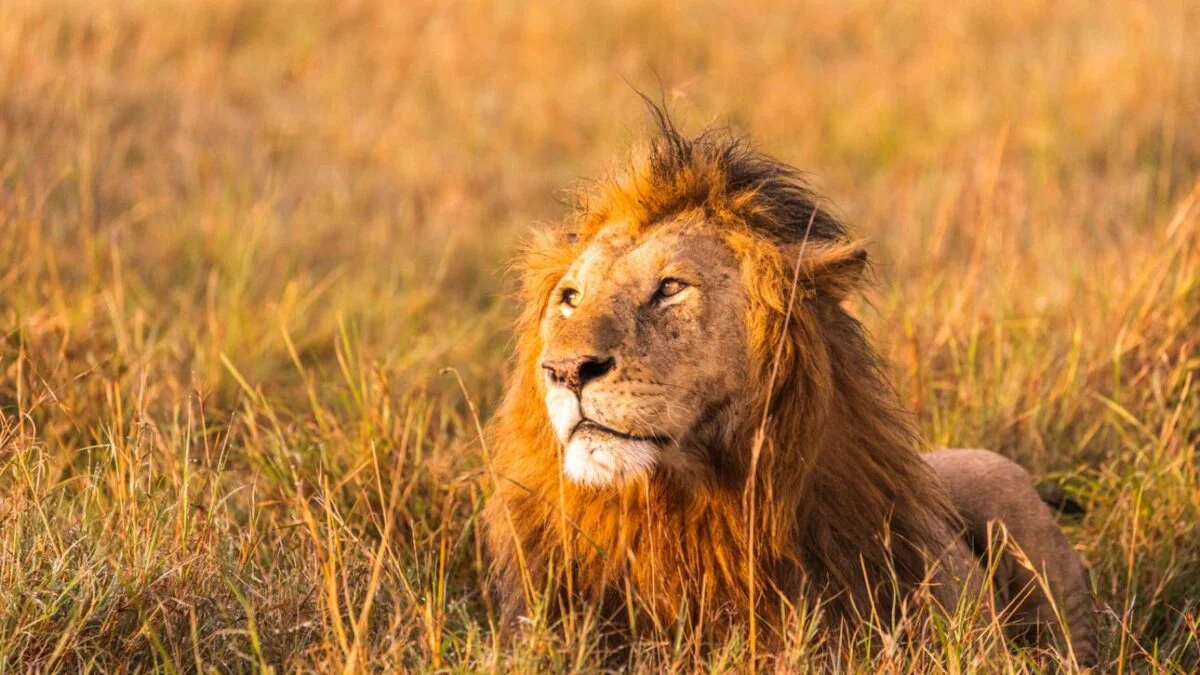
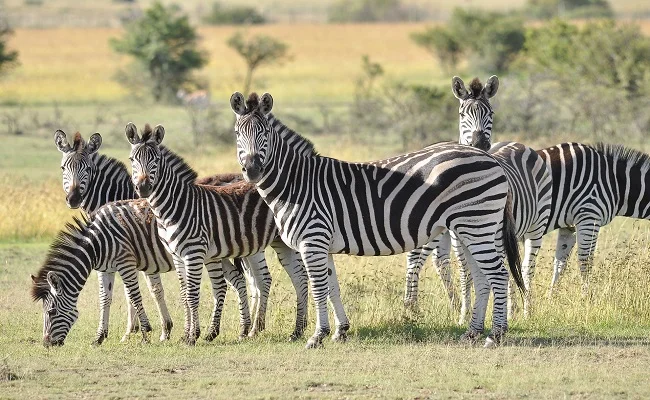
The Maasai Mara is particularly famous for the Great Wildebeest Migration, when millions of wildebeest, zebras, and gazelles move between the Serengeti and Maasai Mara in search of fresh grazing. It is also an excellent destination for spotting the Big Five: lions, leopards, elephants, buffaloes, and rhinos.
Why Visit Maasai Mara National Reserve?
Maasai Mara offers an exceptional combination of wildlife encounters, dramatic landscapes, and authentic cultural experiences. Its open grasslands provide excellent opportunities to observe predators and other wildlife in their natural habitat.
Visitors can experience thrilling game drives, witness the Great Migration when it reaches the reserve, enjoy hot-air balloon safaris, and learn about the traditions of the Maasai people.
Landscape and Wildlife
The reserve features vast rolling grasslands, scattered acacia trees, riverine forests, and seasonal rivers. These diverse habitats support an impressive variety of wildlife throughout the year.
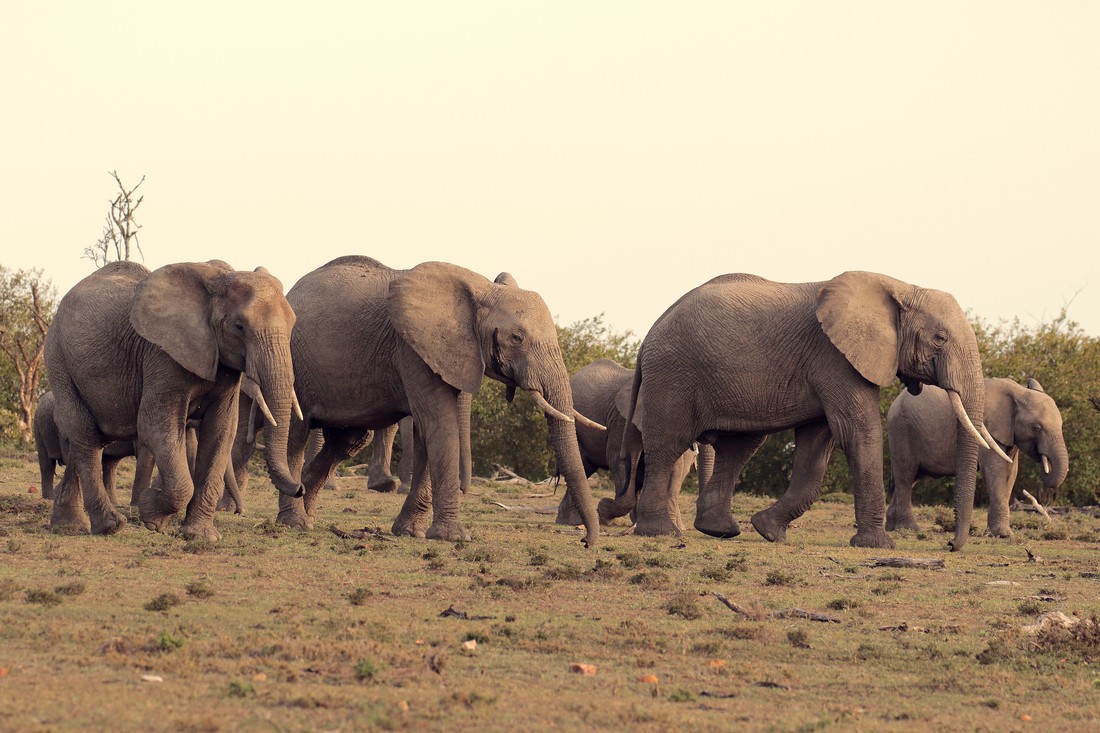
Maasai Mara is home to large populations of lions, elephants, cheetahs, leopards, giraffes, zebras, buffaloes, and numerous antelope species. The Mara and Talek rivers are especially famous for dramatic wildebeest crossings during the migration season.
The reserve also supports a rich variety of birdlife, making it an excellent destination for birdwatching enthusiasts.
Things to Do in Maasai Mara National Reserve
- Game Drives: Explore the open savannah in search of the Big Five and other wildlife.
- Great Migration Viewing: Witness the seasonal movement of wildebeest and zebras, including dramatic river crossings when conditions allow.
- Hot-Air Balloon Safaris: Enjoy breathtaking aerial views of the reserve at sunrise, followed by a bush breakfast.
- Maasai Cultural Experiences: Visit a local Maasai community to learn about traditional customs, lifestyles, and cultural heritage.
- Photography: Capture spectacular wildlife encounters, beautiful landscapes, and unforgettable safari moments.
- Birdwatching: Discover the reserve’s diverse bird species across its different habitats.
Best Time to Visit
Maasai Mara can be visited throughout the year, but the best time for general wildlife viewing is from July to October, during the dry season and the main Great Migration period in Kenya. These months offer excellent opportunities to observe wildlife concentrations and potentially witness river crossings.
January and February are also good months for game viewing, with generally dry weather and favourable conditions for spotting wildlife. The rainy seasons from March to May and November to December bring greener landscapes, fewer visitors, and excellent opportunities for birdwatching.
The timing of the Great Migration varies each year depending on rainfall and grazing conditions, so river crossings cannot be guaranteed.
High Season
The high season generally runs from July to October, coinciding with the Great Migration in the Maasai Mara. During this period, visitor numbers increase significantly, and accommodation demand is high, particularly around popular river-crossing areas.
December to February is another popular travel period, especially for visitors seeking excellent wildlife viewing and pleasant weather.
How to Get to Maasai Mara National Reserve
Maasai Mara can be reached by road or domestic flight from Nairobi. The road journey from Nairobi generally takes approximately 5–6 hours, depending on the reserve entrance and road conditions.
Travellers can also take scheduled or charter flights from Nairobi’s Wilson Airport to airstrips within or near the reserve. Visitors travelling from Tanzania can combine Maasai Mara with Serengeti National Park, although cross-border arrangements and designated entry points must be considered.
Where to Stay
Maasai Mara offers a wide range of accommodation, including luxury safari lodges, elegant tented camps, mid-range safari camps, and budget-friendly accommodation.
Visitors can choose camps within the reserve or in the surrounding conservancies, depending on their budget and preferred safari experience. Staying near wildlife-rich areas can provide convenient access to game drives and seasonal migration viewing.
Experience Maasai Mara with Rumminess Africa Safaris
Discover the incredible wildlife and breathtaking landscapes of Maasai Mara with Rumminess Africa Safaris. Whether you are interested in witnessing the Great Migration, exploring the savannah on exciting game drives, or combining Kenya and Tanzania into one unforgettable safari, we can help create a memorable African adventure tailored to your travel plans.
Discover the Wild Beauty of Africa