Full guide to the best safari in Africa: top 10 destinations
Outlines
Where to Go for Your First Safari in Africa?
Planning your first African safari is an exciting experience, but choosing the right destination can be challenging. Africa is home to some of the world's most beautiful national parks and wildlife reserves, offering unforgettable opportunities to see elephants, lions, giraffes, zebras, rhinos, and many other animals in their natural habitats.
Whether you dream of watching the Great Migration in the Serengeti, seeing elephants beneath Mount Kilimanjaro, exploring the Okavango Delta, or tracking mountain gorillas in the forests of Rwanda and Uganda, Africa has a safari destination to suit your interests.
For first-time safari travelers, the best destination depends on your budget, travel season, preferred wildlife experiences, accommodation style, and the amount of time you have available.
Here are some of the best places to consider for your first African safari.
Best National Parks and Reserves for Your First Safari
1. Ngorongoro Crater, Tanzania
Ngorongoro Crater is one of Africa's most remarkable wildlife destinations and an excellent choice for a first safari. Located in northern Tanzania, it forms part of the Ngorongoro Conservation Area and is famous for its dramatic landscapes and high concentration of wildlife.
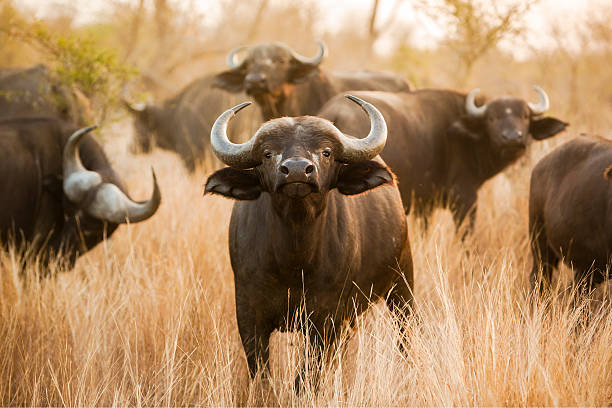
The crater floor covers approximately 260 square kilometres and provides a natural habitat for elephants, lions, buffaloes, zebras, wildebeest, hyenas, and several other species. It is also one of the best places in Tanzania to look for the Big Five: lions, leopards, elephants, rhinos, and buffaloes.
The crater's open grasslands, freshwater areas, and woodland habitats create excellent opportunities for wildlife viewing. Visitors can enjoy game drives while experiencing the beautiful scenery of the crater walls.
Best time to visit: Ngorongoro Crater can be visited throughout the year. The dry season, from June to October, generally offers good wildlife-viewing conditions. The green season is also rewarding, with beautiful scenery and excellent birdlife.
2. Amboseli National Park, Kenya
Amboseli National Park is one of Kenya's most famous safari destinations, particularly known for its large elephant herds and spectacular views of Mount Kilimanjaro.
The park's open plains, swamps, seasonal lakes, and acacia woodlands provide habitats for elephants, lions, cheetahs, zebras, wildebeest, giraffes, and numerous bird species.
Amboseli is especially popular with photographers because elephants can often be seen walking across the plains with Mount Kilimanjaro in the background. Its relatively open landscapes also make wildlife easier to spot during game drives.
Best time to visit: June to October is generally a good period for wildlife viewing because animals gather around permanent water sources. January and February can also offer good safari conditions.
3. Kruger National Park, South Africa
Kruger National Park is one of Africa's largest and most established safari destinations. It offers excellent wildlife viewing, a wide range of accommodation, and well-developed tourism facilities.
The park is home to the Big Five, along with giraffes, zebras, hippos, crocodiles, wild dogs, and many other species. Its landscapes include open savannah, riverine forests, woodland, and grasslands.
One of Kruger's biggest advantages for first-time visitors is the opportunity to enjoy both guided safaris and self-drive experiences. Visitors can explore the park using designated roads while following park regulations and wildlife safety guidelines.
Best time to visit: May to September is generally considered an excellent period for wildlife viewing. During the dry season, vegetation becomes thinner and animals are often easier to find around rivers and waterholes.
4. Moremi Game Reserve and the Okavango Delta, Botswana
Botswana is an outstanding destination for travelers looking for a more exclusive and nature-focused safari experience. The Okavango Delta is a remarkable inland wetland system, famous for its waterways, seasonal floodplains, and diverse wildlife.
Moremi Game Reserve protects an important part of the Okavango ecosystem. Visitors can enjoy game drives and, in suitable areas and conditions, explore the waterways by traditional mokoro canoe or guided boat trips.
The region supports elephants, lions, leopards, buffaloes, hippos, crocodiles, and numerous antelope species. Wildlife experiences vary depending on the location, season, and type of safari.
Best time to visit: May to October is generally a popular period for wildlife viewing, when seasonal floodwaters attract animals to the Delta. The timing and extent of the annual floods can vary.
5. Etosha National Park, Namibia
Etosha National Park is one of Namibia's most impressive wildlife destinations. It is famous for its enormous salt pan, open landscapes, and waterholes where animals gather, particularly during the dry season.
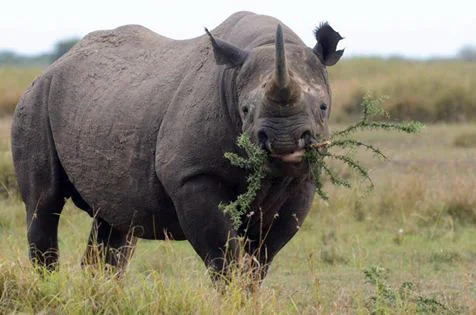
The park is home to elephants, lions, leopards, black rhinos, giraffes, zebras, springboks, and many other animals. Buffaloes are not naturally present in Etosha, so it is not a destination for reliably seeing all of the Big Five.
One of the best ways to experience Etosha is by visiting its waterholes, where visitors can sometimes observe several wildlife species gathering to drink.
Best time to visit: May to October is generally the best period for wildlife viewing. During the rainy season, from around November to April, the park becomes greener and attracts migratory birds.
6. Serengeti National Park, Tanzania
Serengeti National Park is one of Africa's most famous safari destinations and an excellent choice for first-time visitors. Located in northern Tanzania, it is celebrated for its vast savannah plains, abundant wildlife, and the Great Wildebeest Migration.
The park supports large populations of lions, leopards, cheetahs, elephants, giraffes, zebras, hyenas, and many other species. It is also one of the best places to experience the Big Five, although sightings of some animals, particularly rhinos and leopards, can require patience and luck.
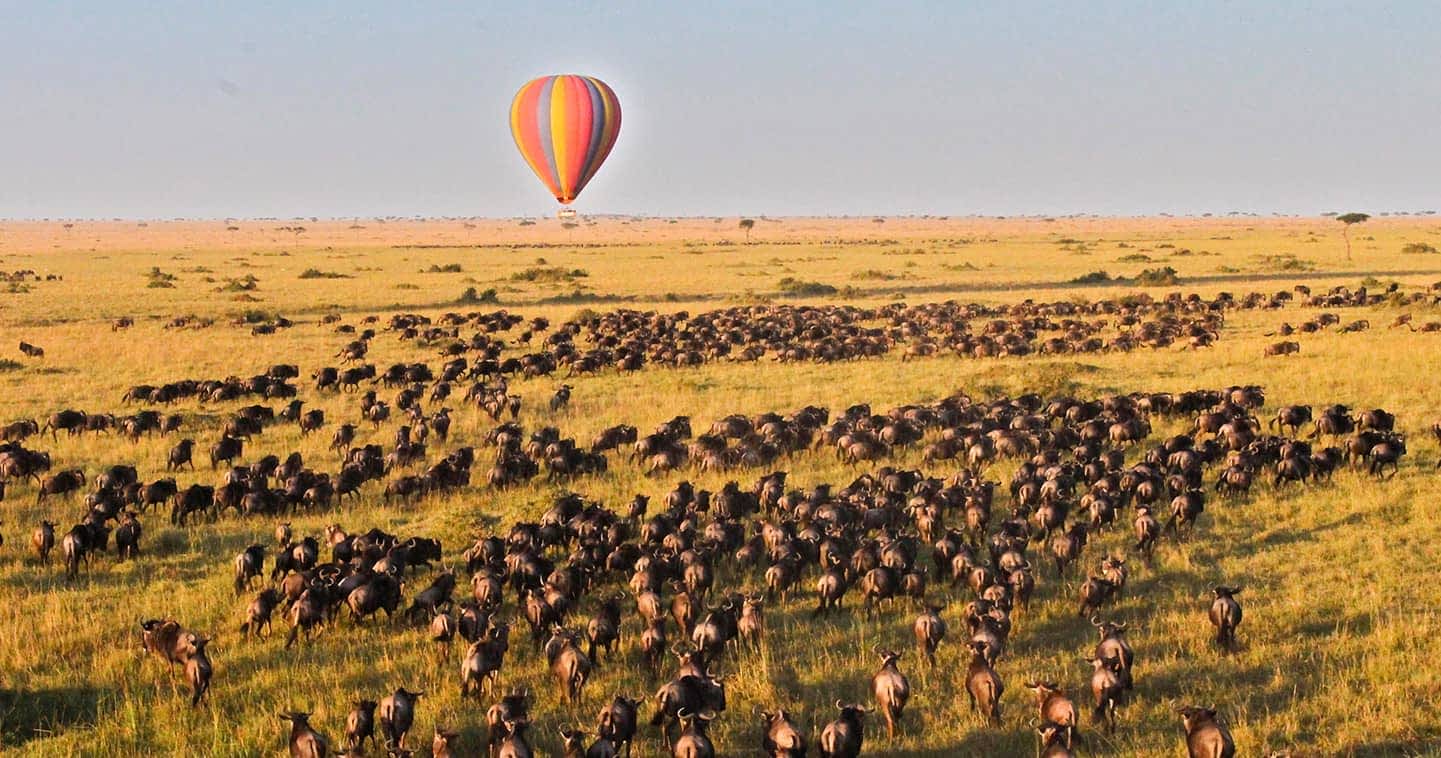
The Great Migration is one of the world's most extraordinary wildlife events. Millions of wildebeest, together with large numbers of zebras and gazelles, move through the Serengeti ecosystem in search of fresh grazing and water. The herds move throughout the year, with their location changing according to rainfall and grazing conditions.
The southern Serengeti and Ndutu area are well known for the calving season, usually around January to March. The western corridor can offer migration viewing around May to July, while the northern Serengeti is popular for possible Mara River crossings, generally between July and October. River crossings are natural events and cannot be guaranteed.
Best time to visit: June to October is generally excellent for wildlife viewing. January to March is particularly rewarding for visitors interested in the calving season in the southern Serengeti and Ndutu.
7. Maasai Mara National Reserve, Kenya
Maasai Mara National Reserve is one of Kenya's leading safari destinations and forms part of the greater Serengeti ecosystem. It is famous for its open grasslands, abundant wildlife, and seasonal arrival of the Great Migration herds.
The reserve supports lions, elephants, leopards, buffaloes, rhinos, cheetahs, giraffes, zebras, and many other species. It is especially popular for big cat sightings and the dramatic landscapes of the African savannah.
Between approximately July and October, large numbers of wildebeest and zebras may move into the Maasai Mara from the Serengeti. Some herds cross the Mara River, creating spectacular wildlife moments. However, the timing and location of crossings depend on natural conditions.
Visitors can enjoy guided game drives, photography, and cultural experiences with local Maasai communities through responsible tourism operators.
Best time to visit: July to October is popular for the Great Migration in the Maasai Mara. January to March can also provide rewarding wildlife viewing, with fewer migration-related crowds.
8. Queen Elizabeth National Park, Uganda
Queen Elizabeth National Park is one of Uganda's most diverse safari destinations. Located in western Uganda, it features savannah plains, crater lakes, wetlands, forests, and the famous Kazinga Channel.
The park is home to elephants, lions, leopards, buffaloes, hippos, crocodiles, Uganda kob, and numerous bird species. The Ishasha sector is particularly known for its tree-climbing lions, although sightings are never guaranteed.
One of the park's highlights is a boat cruise along the Kazinga Channel. This experience provides excellent opportunities to see hippos, elephants, buffaloes, crocodiles, and waterbirds along the riverbanks.
Best time to visit: June to September and December to February are generally good periods for wildlife viewing, although the park can be visited throughout the year.
9. Volcanoes National Park, Rwanda
Volcanoes National Park is one of Africa's most important destinations for mountain gorilla trekking. Located in northwestern Rwanda, the park protects part of the Virunga Mountains, a chain of volcanic mountains covered in montane forest.
The main attraction is the opportunity to visit habituated mountain gorilla families with experienced guides and trackers. Visitors can observe these remarkable primates in their natural habitat while learning about conservation efforts.
Gorilla trekking requires a permit, and availability is limited. It is important to arrange permits well in advance, particularly during busy travel periods.
The experience involves hiking through forested and sometimes steep terrain, so visitors should be reasonably prepared for changing trail conditions.
Best time to visit: June to September and December to February are generally drier periods and often more comfortable for trekking. Gorilla trekking is available throughout the year, but rainy conditions can make the trails muddy and more challenging.
10. South Luangwa National Park, Zambia
South Luangwa National Park is one of Zambia's leading safari destinations and is particularly famous for its walking safaris. The park is centred around the Luangwa River, which supports a rich variety of wildlife.
Visitors can encounter elephants, lions, leopards, hippos, crocodiles, giraffes, zebras, and several antelope species. The park is also known for its excellent leopard-viewing opportunities.
Walking safaris are one of the most memorable ways to explore South Luangwa. Accompanied by trained professional guides, visitors can learn about animal tracks, plants, birds, and smaller details of the African wilderness.
Best time to visit: May to October is generally the best period for wildlife viewing. July to October is particularly popular because animals become easier to spot as the dry season progresses.
Which African Country Is Best for a First-Time Safari?
Choosing the right country is an important part of planning your first safari. Tanzania, Kenya, and South Africa are among the most popular choices, each offering different experiences.
Tanzania
Tanzania is an excellent choice for travelers looking for a classic African safari. The country has an extensive network of national parks and protected areas, with diverse landscapes and remarkable wildlife.
Some of its most famous safari destinations include Serengeti National Park, Ngorongoro Crater, Tarangire National Park, and Lake Manyara National Park.
Tanzania is particularly attractive because visitors can combine several destinations in one safari. For example, travelers can explore Tarangire's elephant herds, enjoy wildlife viewing in the Ngorongoro Crater, and experience the Great Migration in the Serengeti.
Tanzania also offers opportunities to combine a safari with a beach holiday in Zanzibar or a trekking adventure on Mount Kilimanjaro.
For first-time visitors who want a varied wildlife experience, Tanzania offers an excellent introduction to African safaris.
Kenya
Kenya is another excellent destination for first-time safari travelers. It is famous for the Maasai Mara, Amboseli National Park, Tsavo National Parks, and other protected areas.
The country offers beautiful savannah landscapes, diverse wildlife, and opportunities to experience the Great Migration in the Maasai Mara. Amboseli is particularly popular for elephant sightings and views of Mount Kilimanjaro.
Kenya also offers cultural experiences and a variety of accommodation options, from comfortable safari camps to luxury lodges.
South Africa
South Africa is a strong option for travelers looking for a well-developed tourism infrastructure and flexible safari experiences.
Kruger National Park is one of its main attractions, offering excellent opportunities to see the Big Five. Visitors can choose guided game drives, private reserves, or self-drive safaris.
South Africa also offers other travel experiences, including Cape Town, the Garden Route, beautiful coastlines, and wine regions. Travelers should follow local safety advice and take sensible precautions, particularly when visiting cities and traveling between destinations.
What Should You Consider When Choosing Your First Safari?
Before booking your first African safari, consider the following factors:
1. Your budget
Safari costs vary depending on the destination, accommodation, transport, park fees, season, group size, and activities included. You can choose from budget camping safaris, mid-range lodge safaris, and luxury experiences.
2. The best travel season
Wildlife viewing changes throughout the year. Some destinations are especially rewarding during the dry season, while others offer unique experiences during the rainy season. If you want to see the Great Migration, choose your destination and travel dates according to the seasonal movement of the herds.
3. The type of wildlife you want to see
Different destinations are known for different wildlife experiences. Tanzania and Kenya are popular for classic savannah safaris and the Great Migration. Botswana is known for its wetlands and wilderness experiences, while Rwanda and Uganda are famous for mountain gorilla trekking.
4. The length of your trip
A short safari can provide an unforgettable experience, but a longer itinerary allows you to explore more than one national park. For a first safari in Tanzania, several days can be enough to combine destinations such as Tarangire, Serengeti, and Ngorongoro.
5. Your preferred accommodation
African safaris offer different accommodation styles, including public campsites, tented camps, safari lodges, and luxury lodges. Choose an option that matches your budget and preferred level of comfort.
Why Choose Tanzania for Your First African Safari?
Tanzania is one of the best destinations for a first African safari because it combines remarkable wildlife, beautiful landscapes, and a wide range of safari experiences.
From the endless plains of the Serengeti to the wildlife-rich Ngorongoro Crater, Tanzania offers opportunities to experience some of Africa's most famous natural attractions.
You can watch elephants moving through Tarangire National Park, search for lions and leopards in the Serengeti, explore the Ngorongoro Crater, or enjoy the birdlife and scenery of Lake Manyara National Park.
Another advantage is the opportunity to combine different experiences in one holiday. After your safari, you can relax on the beautiful beaches of Zanzibar or extend your adventure with a Mount Kilimanjaro trekking experience.
Whether you are planning a short wildlife adventure, a family holiday, a romantic honeymoon, or a luxury safari, Tanzania offers a variety of options to suit different interests and budgets.
Plan Your First Safari with Rumminess Africa Safaris
Your first African safari should be an experience you remember for a lifetime. Choosing the right destinations, travel season, accommodation, and itinerary can make a big difference to your journey.
At Rumminess Africa Safaris, we help travelers explore Tanzania through carefully planned safari experiences. From the Serengeti and Ngorongoro Crater to Tarangire and Lake Manyara, we can help you discover the country's remarkable wildlife and natural beauty.
You can also combine your safari with a relaxing Zanzibar beach holiday or an unforgettable Mount Kilimanjaro trekking adventure.
Start planning your African adventure with Rumminess Africa Safaris and discover the beauty of Tanzania.
Stories in Every Frame