Guide to the Big Five in Tanzania
Outlines
The Big Five Animals of Africa
The Big Five are among the most famous and fascinating wildlife species in Africa. Many travelers visit Tanzania with the dream of seeing all five during their safari. These remarkable animals include the African elephant, lion, buffalo, rhinoceros, and leopard.
Originally, the term "Big Five" was used by hunters to describe five of the most difficult and dangerous animals to hunt on foot. Today, the meaning has changed. The Big Five have become a symbol of African wildlife tourism, and seeing them in their natural habitats is one of the highlights of an African safari.
In this guide, discover which animals make up the Big Five, why they are called by this name, where to find them in Tanzania, and whether it is possible to see all five during one safari.
What Are the Big Five Animals of Africa?
The Big Five consists of five iconic African wildlife species:
-
African elephant
-
Lion
-
African buffalo
-
Rhinoceros
-
Leopard
These animals were not selected simply because they are the largest in Africa. The name originally referred to the five animals considered most challenging and dangerous for hunters to pursue on foot.
During the colonial hunting era, successfully hunting all five was regarded as a major achievement. Fortunately, safari tourism has evolved, and today visitors travel to Africa to photograph and observe these animals rather than hunt them.
Modern safaris focus on wildlife conservation, responsible tourism, and unforgettable encounters with animals in their natural environment.
Which Animals Are Part of the Big Five?
Each member of the Big Five has unique characteristics, behavior, and habitat. Tanzania is one of the best destinations in Africa to encounter these remarkable animals.
1. African Savanna Elephant
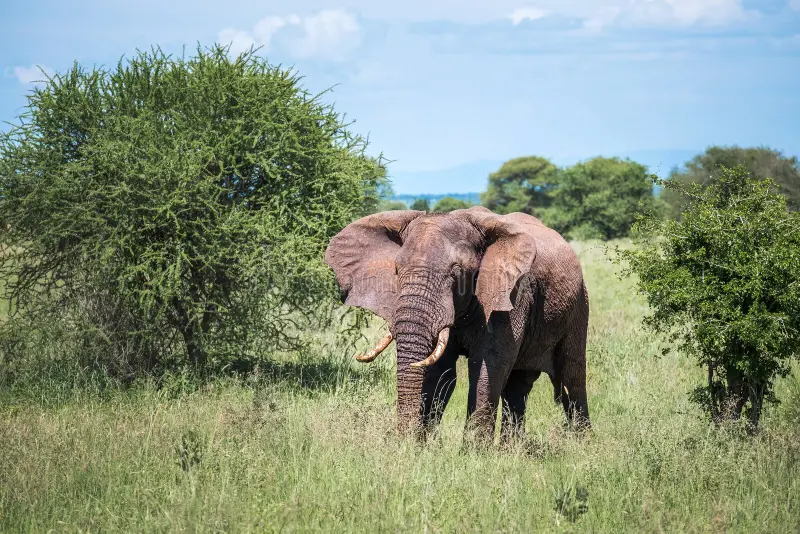
The African savanna elephant is the largest land animal in the world. Known for its enormous body, long trunk, large ears, and impressive tusks, it is one of the most recognizable animals in Africa.
Appearance and Habitat of Elephants
Adult African savanna elephants can reach approximately four meters in height and weigh several tonnes. They use their trunks for feeding, drinking, smelling, communicating, and picking up objects.
Elephants consume large quantities of vegetation every day, including grass, leaves, bark, roots, and fruit. They spend much of their time searching for food and water, often traveling long distances across the savannah.
Elephants are highly intelligent and social animals. They live in family groups usually led by an experienced female known as a matriarch. These groups cooperate in raising and protecting their young.
They also play an important role in maintaining healthy ecosystems. By breaking branches, uprooting trees, creating pathways, and digging for water, elephants help shape the landscapes they inhabit. Other wildlife species benefit from these changes.
Which Elephant Species Is Included in the Big Five?
The elephant included in the traditional African Big Five is the African savanna elephant, scientifically known as Loxodonta africana.
Africa is home to two elephant species: the African savanna elephant and the African forest elephant. The savanna elephant is larger and commonly found in open grasslands and woodland habitats.
Why Are Elephants Dangerous?
Elephants are powerful wild animals that can become aggressive when threatened, injured, or protecting their young. Their enormous size, strength, and speed make them dangerous, particularly when approached on foot.
During a safari, visitors should remain inside their vehicles and follow their guide's instructions whenever elephants are nearby.
How Many Elephants Are Left in Africa?
African elephants face serious threats from habitat loss, human-wildlife conflict, and illegal ivory trade. Conservation programs and protected areas play an important role in protecting their populations.
Both African elephant species face conservation challenges, making responsible tourism and wildlife protection increasingly important.
Where to Find Elephants in Tanzania
Some of the best places to see elephants in Tanzania include:
-
Tarangire National Park, famous for its large elephant herds.
-
Serengeti National Park, where elephants can be seen across different habitats.
-
Ngorongoro Conservation Area, home to elephants living around the crater and surrounding forests.
-
Ruaha National Park, known for its impressive elephant populations.
-
Nyerere National Park, offering opportunities to see elephants in a vast wilderness environment.
2. Lion
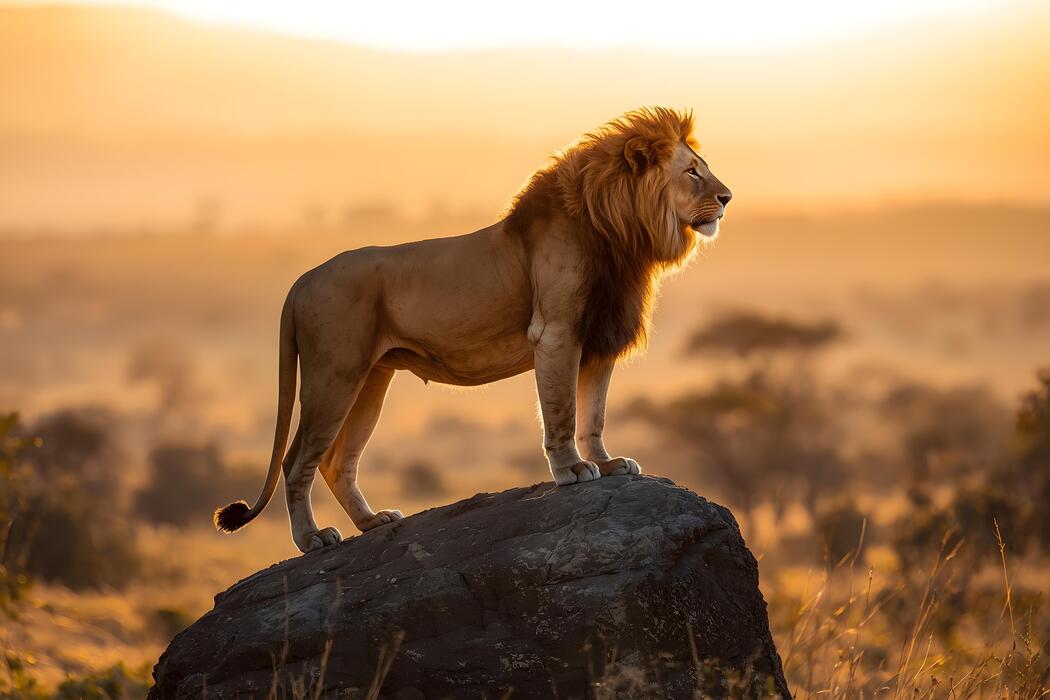
The African lion is one of the most iconic predators on the continent and a major highlight of any Tanzania safari. Known for its powerful roar, social behavior, and impressive appearance, the lion is often called the king of the savannah.
Interesting Facts About Lions
Lions are the only big cats that live in social groups called prides. A pride usually consists of related females, their cubs, and one or more adult males.
Lionesses play a central role in raising cubs and carrying out much of the hunting. Male lions help defend the pride and its territory against rival males.
Lions communicate through roaring, scent marking, body language, and other vocal sounds. Their roar can travel several kilometers across open landscapes.
Although lionesses commonly hunt, male lions also hunt, particularly when living alone or away from the pride. Their prey includes wildebeest, zebras, buffaloes, and other animals.
Lions are most active during cooler hours, especially at night and early morning. During the heat of the day, they often rest in the shade.
Which Lion Species Is Part of the Big Five?
The lion belongs to the species Panthera leo. African lions are found in several countries south of the Sahara, including Tanzania.
Lions and Humans
Lions have faced pressure from hunting, habitat loss, and conflicts with people. As human settlements and livestock farming expand into wildlife areas, encounters between lions and communities can become more frequent.
Conservation programs help protect lions by preserving their habitats, monitoring populations, and supporting communities living near protected areas.
How Many Lions Are Left in Africa?
African lions are classified as Vulnerable, and their populations face continuing pressure from habitat loss, declining prey populations, and human-wildlife conflict.
Protecting large natural habitats and maintaining healthy wildlife populations are essential for their long-term survival.
Where to Find Lions in Tanzania
Tanzania is one of the best destinations in Africa for seeing lions. You can encounter them in:
-
Serengeti National Park, famous for its large lion population.
-
Ngorongoro Conservation Area, where lions can often be spotted on the crater floor.
-
Tarangire National Park, home to lions and other large predators.
-
Lake Manyara National Park, known for its wildlife and tree-climbing lions.
-
Ruaha National Park, offering excellent opportunities for predator sightings.
-
Nyerere National Park, where lions inhabit the extensive wilderness.
3. African Buffalo
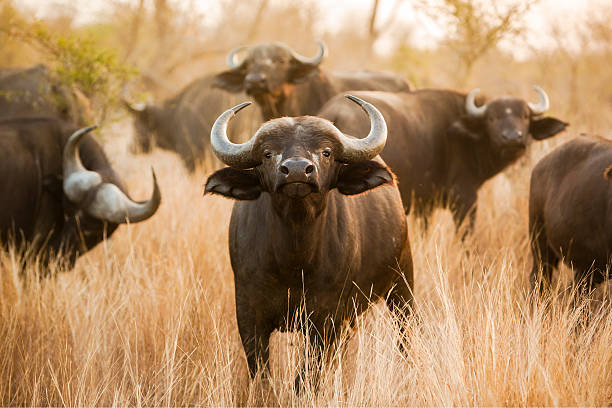
The African buffalo is a powerful herbivore known for its strong build, curved horns, and unpredictable behavior. It is one of the most respected members of the Big Five.
What Are African Buffaloes?
African buffaloes belong to the bovid family and are commonly found in grasslands, woodlands, and areas close to water.
They usually live in herds, which may contain dozens or hundreds of individuals. Large herds offer protection against predators and help keep younger and weaker animals safer.
Buffaloes feed mainly on grass and often gather near rivers, lakes, and wetlands. They need regular access to water and are commonly seen grazing in open areas.
Which Buffalo Species Is Included in the Big Five?
The African buffalo, scientifically known as Syncerus caffer, is the species included in the Big Five.
There are different forms of African buffalo, including the Cape buffalo, which is widely known for its large size and distinctive horns.
Why Are Buffaloes Dangerous?
African buffaloes are strong animals that can defend themselves effectively when threatened. Their powerful horns and unpredictable reactions make them particularly dangerous when injured or approached too closely.
Older males sometimes live separately from larger herds and are commonly known as dagga boys. They can be especially unpredictable.
Although buffaloes may appear calm while grazing during a safari, visitors should always observe them from a safe distance and follow their guide's instructions.
How Many Buffaloes Are Left in Africa?
African buffalo populations face threats from habitat loss, drought, disease, and human activities. Their conservation status varies across their range, and protecting suitable grazing habitats remains important.
Where to Find Buffaloes in Tanzania
African buffaloes can be seen in several Tanzanian national parks and protected areas, including:
-
Serengeti National Park, where large herds roam the plains.
-
Ngorongoro Conservation Area, especially around the crater floor.
-
Tarangire National Park, where buffaloes are regularly seen near water sources.
-
Lake Manyara National Park, home to buffaloes and other herbivores.
-
Arusha National Park, where buffaloes inhabit forest and grassland areas.
-
Ruaha National Park and Nyerere National Park, which support important buffalo populations.
4. Rhinoceros
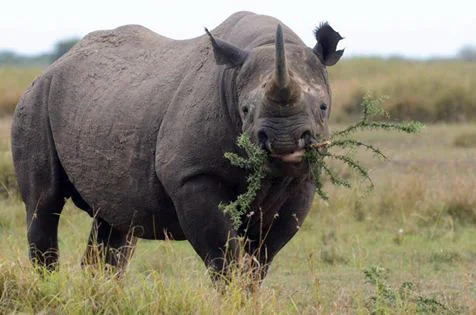
The rhinoceros is one of Africa's most endangered and fascinating large mammals. Recognized by its thick skin and distinctive horns, it is also one of the most difficult members of the Big Five to spot during a safari.
About African Rhinos
Africa is home to two rhinoceros species: the black rhino and the white rhino.
Rhinos are large herbivores that feed on vegetation. Their horns are made of keratin, the same material found in human hair and fingernails.
They have excellent hearing and a strong sense of smell, although their eyesight is relatively poor. Rhinos usually prefer to live alone, except for females with their calves.
Why Are Rhinos Threatened?
The greatest threat to rhinos is poaching, driven by illegal demand for their horns. Habitat loss and human activities also affect their populations.
Conservation organizations and wildlife authorities work to protect rhinos through anti-poaching patrols, habitat management, monitoring, and breeding programs.
Which Rhino Species Is Included in the Big Five?
The two African rhino species are:
-
Black rhinoceros (Diceros bicornis)
-
White rhinoceros (Ceratotherium simum)
Despite their names, both species are generally grey in color. Their names do not refer to their actual skin color.
White rhinos are larger and mainly graze on grass, while black rhinos have a pointed upper lip that helps them feed on leaves and branches.
Why Are Rhinos Dangerous?
Rhinos are powerful animals that can charge when they feel threatened or when they are protecting their young. Although their eyesight is poor, they have a strong sense of smell and hearing.
Their size, speed, and strength make it important to observe them carefully and maintain a safe distance during a safari.
How Many Rhinos Are Left?
Both African rhino species face serious conservation challenges. Black rhinos are classified as Critically Endangered, while the southern white rhino population is classified as Near Threatened. Other white rhino populations face greater risks.
Continued conservation efforts are essential to protect these animals from poaching and habitat loss.
Where to Find Rhinos in Tanzania
The Ngorongoro Conservation Area is one of the best places in Tanzania to look for black rhinos in their natural habitat.
Other places where rhinos can be found include:
-
Serengeti National Park, which supports a protected black rhino population.
-
Nyerere National Park, where rhinos are part of ongoing conservation efforts.
-
Mkomazi National Park, home to a protected rhino sanctuary where visitors can learn about conservation and see rhinos under carefully managed conditions.
5. African Leopard
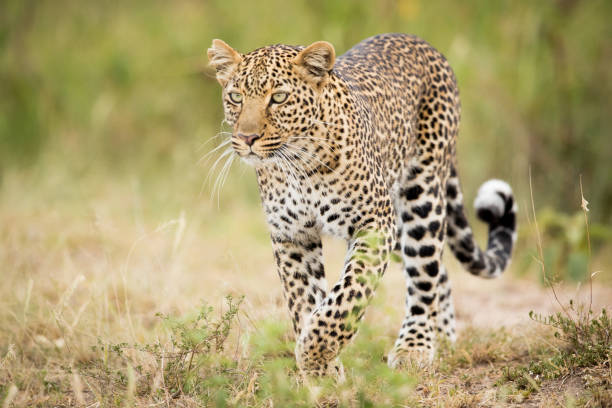
The African leopard is one of the most beautiful and elusive members of the Big Five. Known for its spotted coat, powerful body, and exceptional climbing ability, it is often difficult to spot in the wild.
What Are Leopards Like in the Wild?
Leopards are solitary predators that are usually most active at night and during early morning or late evening.
They are excellent hunters, using their camouflage and stealth to approach prey before launching a powerful attack. Their diet includes antelopes, monkeys, birds, rodents, and other small to medium-sized animals.
One of the leopard's most remarkable abilities is climbing trees while carrying prey. They often store their kills on branches to keep them away from lions, hyenas, and other scavengers.
How to Distinguish a Leopard from a Cheetah
Leopards and cheetahs are sometimes confused because both have spotted coats. However, their markings are different.
-
Leopards have dark, irregular ring-shaped markings called rosettes.
-
Cheetahs have solid black spots spread across their bodies.
Leopards also have a stronger, more muscular build, while cheetahs are slimmer and built for speed.
Which Leopard Species Is Included in the Big Five?
The African leopard belongs to the species Panthera pardus. It is widely distributed across suitable habitats in sub-Saharan Africa.
Why Are Leopards Difficult to See?
Leopards are naturally secretive and spend much of their time hidden in trees, bushes, and dense vegetation. Their spotted coats provide excellent camouflage, allowing them to blend into their surroundings.
They are powerful and agile predators, but they usually avoid unnecessary encounters with humans.
How Many Leopards Are Left?
The exact number of leopards in Africa is difficult to establish because they are naturally elusive and occupy large territories.
Their populations face threats from habitat destruction, reduced prey availability, illegal hunting, and conflict with people. Protecting their habitats is important for their continued survival.
Where to Find Leopards in Tanzania
Some of the best places to look for leopards in Tanzania include:
-
Serengeti National Park, where leopards are often spotted resting in trees.
-
Lake Manyara National Park, which provides suitable woodland habitats.
-
Tarangire National Park, home to leopards living among its riverine forests and woodlands.
-
Ngorongoro Conservation Area, where leopards inhabit the crater and surrounding highlands.
-
Ruaha National Park and Nyerere National Park, which also support leopard populations.
Where Can You See All the Big Five in Tanzania?
Tanzania is one of the best safari destinations in Africa for travelers hoping to see all five members of the Big Five.
Several protected areas are home to elephants, lions, buffaloes, rhinos, and leopards. These include:
-
Serengeti National Park
-
Ngorongoro Conservation Area
-
Nyerere National Park
The Ngorongoro Conservation Area is particularly well known for its high concentration of wildlife within the crater. It offers a good opportunity to search for all five animals during a safari.
However, wildlife sightings are never guaranteed. Rhinos and leopards can be especially difficult to find, so spending more time in suitable wildlife areas can improve your chances.
A Tanzania safari also offers much more than the Big Five. Visitors can enjoy diverse landscapes, including open savannahs, forests, volcanic craters, alkaline lakes, and traditional communities.
Other Famous Groups of Five African Animals
Apart from the Big Five, there are several other popular groups of five animals that wildlife enthusiasts enjoy looking for during an African safari.
The Little Five
The Little Five are five small African creatures whose names are connected to the animals of the Big Five. They include:
-
Elephant shrew
-
Antlion
-
Buffalo weaver
-
Rhinoceros beetle
-
Leopard tortoise
The Elephant Shrew
The elephant shrew, also known as a sengi, is a small African mammal with a long, flexible snout. Despite its name, it is not a true shrew. It belongs to a distinct group of mammals and feeds mainly on insects.
Elephant shrews move quickly through vegetation and use their long noses to search for food.
The Antlion
The antlion is an insect famous for the unusual hunting behavior of its larvae. These larvae create small funnel-shaped traps in sandy ground to catch ants and other insects.
When an insect falls into the trap, the antlion larva catches it using its powerful jaws.
The Buffalo Weaver
Buffalo weavers are African birds commonly found in eastern and southern parts of the continent. They are known for their strong nests, which are often built in trees and thorny bushes.
They feed on insects, seeds, and other small food items.
The Rhinoceros Beetle
Rhinoceros beetles are large insects named after the horn-like structures found on the heads of many species. These horns are used mainly during competition between males.
They belong to the scarab beetle family and play an important role in natural ecosystems.
The Leopard Tortoise
The leopard tortoise is one of the most recognizable tortoise species in Africa. It gets its name from the attractive spotted pattern on its shell.
It is a land-dwelling reptile that feeds mainly on grasses and other vegetation. Leopard tortoises can be found in several parts of Tanzania.
The Shy Five of Africa
The Shy Five is another informal group of African animals known for being difficult to spot during a safari. These animals are generally secretive, nocturnal, or naturally elusive.
The group includes:
-
Aardvark
-
Aardwolf
-
Bat-eared fox
-
Porcupine
-
Meerkat
Aardvark
The aardvark is a nocturnal mammal that feeds mainly on ants and termites. It has a long snout, strong claws, and a powerful body adapted for digging.
During the day, aardvarks usually remain inside underground burrows and come out at night to search for food.
Aardwolf
The aardwolf is a member of the hyena family, although it mainly feeds on termites rather than hunting large animals.
It is a shy, nocturnal animal that uses its long tongue to collect insects from termite mounds.
Bat-Eared Fox
The bat-eared fox is a small African fox recognized by its unusually large ears. These ears help it detect insects moving beneath the ground.
It feeds mainly on termites and other insects and is commonly active at night.
Porcupine
The African crested porcupine is a large nocturnal rodent covered in sharp quills. These quills provide protection against predators.
When threatened, a porcupine may raise its quills and make warning sounds to discourage an approaching animal.
Meerkat
The meerkat is a small social mammal found mainly in southern Africa. It lives in groups and is famous for standing upright while watching for predators.
Meerkats are active during the day and use underground burrows for shelter.
The Impossible Five and the Ugly Five
The Impossible Five
The Impossible Five is an informal wildlife list associated with animals that are particularly difficult to find or photograph. The list described in the original article includes:
-
Cape Mountain Leopard
-
White Cape Lion
-
Riverine Rabbit
-
Ground Pangolin
-
Aardvark
Some of these animals are extremely rare or restricted to specific habitats, making sightings a special experience for wildlife enthusiasts.
The Ugly Five
The Ugly Five is a popular safari nickname for five African animals that may not have the conventional beauty of lions or elephants but are fascinating in their own way.
They include:
-
Wildebeest
-
Warthog
-
Hyena
-
Marabou Stork
-
Lappet-faced Vulture
These animals play important roles in African ecosystems. From scavenging and recycling nutrients to supporting the natural balance between predators and prey, each has an important place in the wild.
The Seven of Africa
For wildlife enthusiasts who want to expand beyond the Big Five, there is also the concept of the African Seven.
One version adds the cheetah and spotted hyena to the traditional Big Five, creating a group of seven land animals.
Another version includes two marine species, the southern right whale and the great white shark, alongside the traditional Big Five.
Experience the Big Five Safari in Tanzania with Rumminess Africa Safaris
A safari in Tanzania offers an unforgettable opportunity to discover the famous Big Five in their natural habitats. From watching elephants roam across Tarangire's landscapes to spotting lions in the Serengeti and searching for rare black rhinos in Ngorongoro, every safari brings a unique wildlife experience.
With Rumminess Africa Safaris, you can explore Tanzania's remarkable national parks with experienced safari guides who understand wildlife behavior and the best areas to visit.
Whether your dream is to see all five members of the Big Five or discover the many other fascinating animals of Africa, Tanzania offers an incredible safari adventure.
INSPIRE YOUR JOURNEY