Why Climb Kilimanjaro
Tanzania Mt Kilimanjaro Climb. Why choose Kilimanjaro instead of Everest, the Rockies, or the Himalayas?
BecauseTanzania’s Mount Kilimanjaro offers the ultimate bucket-list adventure—accessible, breathtaking, and unforgettable. Standing 19,341 feet above sea level, Kilimanjaro is the highest peak in Africa and the tallest free-standing mountain in the world. And here’s the best part: you don’t need technical climbing skills. No ropes, no ice axes—just determination, basic preparation, and the dream of standing on the Roof of Africa.
A Kilimanjaro climb gives you more than a summit. It’s a cinematic journey through five stunning climate zones—lush rainforests, rolling moorlands, alpine deserts, and finally the legendary ice-capped summit. Every step feels like a new adventure, every view is worthy of a postcard. It’s challenging, inspiring, and absolutely life-changing.
If you want a mountain that delivers both thrill and meaning, Kilimanjaro is your perfect choice. This isn’t just a climb—it’s a once-in-a-lifetime experience packed with beauty, culture, and personal triumph. Reach the top, and you don’t just touch the sky—you rewrite your story.
Best Time to Climb Kilimanjaro
Timing your climb right can make a big difference not just in the views, but in your overall experience.
Dry Season (January–March & June–October)
These are the most popular and recommended times to climb. Why? Because the weather tends to be stable clear skies, less rain,and milder conditions.
- January to March: Quieter on the mountain, with good chances of snow at the summit. A great choice if you want fewer crowds and don’t mind a bit of cold at the top.
- June to October: Peak season with amazing visibility and warm days (especially lower down). But it’s also the busiest time expect more fellow trekkers.
Wet Season (April–May & November)
These months are considered the rainy seasons. Trails can be muddy, slippery, and visibility is limited, which means fewer views and more soggy socks.
- April–May: Long rains. Best to avoid unless you’re very experienced and well-prepared for wet, chilly conditions.
- November: Short rains. Slightly better than April–May but still not ideal for most climbers.
Pro Tip: Want a sweet spot with fewer crowds and decent weather? Aim for late January or early September.
Best Kilimanjaro Climbing Routes: What to Know Before You Climb
Planning to climb Mount Kilimanjaro? Choosing the right route can make all the difference between a tough challenge and a life-changing adventure. With several routes to the summit, each route offering its own way, difficulty, and experience, it’s important to understand what sets them apart. If you’re looking for the most unique and beautiful views, the highest success rate, or a quieter trail with fewer crowds, this guide breaks down what you need to know before you start your climb.
Acclimatization and Altitude Sickness
What is Altitude Sickness?
Altitude sickness, also known as Acute Mountain Sickness (AMS), occurs when your body struggles to adjust to the lower oxygen levels found at high elevations. It’s important to understand that no matter how fit or experienced you are, anyone can develop AMS, so being aware of the symptoms and prevention is essential.
Recognizing the Symptoms
Common symptoms include headaches, nausea, dizziness, shortness of breath, and difficulty sleeping. If you experience any of these, it’s a sign that your body needs more time to adjust.
Tips for Proper Acclimatization
To reduce the risk of AMS, the key is to take it slow, often summarized by the Swahili phrase “pole-pole,” meaning “slowly, slowly.” Choosing longer trekking routes that last seven days or more helps your body acclimatize gradually. Staying well-hydrated by drinking 3 to 4 liters of water daily is also very important, while avoiding alcohol and caffeine, which can cause dehydration.
Communicate with Your Guide
Always communicate openly with your guide if you start to feel symptoms. Guides are trained to recognize altitude sickness and can help you manage it safely, including recommending rest or descent if necessary. Proper acclimatization is the best way to enjoy a safe and successful climb.
Kilimanjaro Packing List
Packing for Kilimanjaro is all about being prepared for a wide range of weather and conditions. From hot rainforest hikes to freezing summit nights, having the right gear can make your climb safer and much more comfortable. This list covers everything you’ll need, from clothing layers to essential gear, so you can focus on enjoying the adventure ahead.
Why Packing Right Matters
Having the right gear can make or break your climb. Proper clothing, footwear, and essentials will keep you comfortable, safe, and prepared for Kilimanjaro’s changing conditions.
Clothing Layers
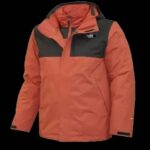
Dress in layers to handle Kilimanjaro’s wide temperature changes. Start with a base layer of thermal long-sleeve tops and bottoms to keep moisture away from your skin. Add a mid-layer like fleece or wool for warmth and insulation. Your outer layer should be a waterproof and windproof shell to protect against rain and wind. Don’t forget a heavy summit layer; a down jacket is essential for the cold air near the top.
Footwear and Accessories
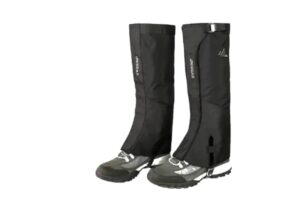 Bring sturdy, broken-in trekking boots that support your ankles and handle rough terrain. Pack 3 to 4 pairs of wool socks to keep your feet dry and warm. Camp shoes or sandals are great to wear at camp for comfort. Also include gloves, a warm beanie, a sunhat, and a balaclava to protect your face. UV sunglasses and a reliable headlamp are must-haves.
Daypack Essentials
A 30 to 35-liter daypack is perfect for carrying daily necessities. Include a water bladder, like a Camelback, or bottles to stay hydrated. Pack high-energy snacks such as trail mix and energy bars to keep your energy up. Don’t forget sunscreen, lip balm, and tissues for sun and wind protection.
Sleeping and Hygiene Gear
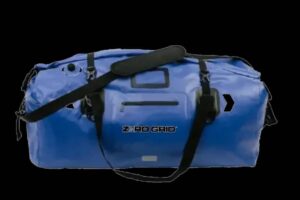 You’ll need a 4-season sleeping bag rated to at least -10°C (14°F) to stay warm on chilly nights. Bring a travel towel, biodegradable wipes, and a toothbrush for hygiene. A personal first aid kit is important for minor injuries or illnesses. Also, consider a power bank and solar charger to keep your electronics charged during the trek.
Fitness Requirements and Training Plan
 Climbing Kilimanjaro doesn’t require technical climbing skills or ropes, but you will be hiking for 6 to 8 hours each day, often at high altitude, where the air is thinner. Preparing your body ahead of time is key to making the climb easier and increasing your chances of reaching the summit. This section will guide you through a simple training plan to help build the stamina and strength you’ll need for the trek.
Cost to Climb Mount Kilimanjaro in 2026
General Mount Kilimanjaro prices vary depending on the number of days, group size, service level (basic to luxury), and season, but here’s a helpful estimate based on standard group/shared treks (not private or luxury):
Kilimanjaro Routes – Price Estimates (per person, in USD)
Rank | Route | Days | Description | Price Range (USD) |
1 | Marangu Route | 5-6 | Only hut accommodation, easiest logistics | $1,500 – $2,500 |
2 | Machame Route | 6–7 | Popular, scenic, and great acclimatization | $1,600 – $2,800 |
3 | Rongai Route | 6-7 | Quieter, approaches from the north | $1,700 – $2,900 |
4 | Lemosho Route | 7–8 | Very scenic, high success rate | $1,800 – $3,600 |
5 | Northern Circuit | 8–9 | Longest and quietest, excellent acclimatization | $2,300 – $5,500 |
6 | Umbwe Route | 6–7 | Steep, challenging, less used | $1,700 – $3,500 |
Extra Costs to Watch
When planning your Kilimanjaro adventure, it’s important to budget not just for the trek itself but also for extra expenses that can add up. Things like tipping your guides ($250–$400), flights ($800–$1,200), visas ($50 – $100), insurance ($100–$200), and any last-minute gear or vaccinations all come with their own costs. Being aware of these ahead of time helps you avoid surprises and ensures a smoother trip overall.
Crew and Support Team
Climbing Kilimanjaro is a team effort, and you’ll be supported by a dedicated crew throughout your journey. This usually includes one lead guide who knows the mountain inside out, two to three porters who carry your gear and supplies, and a cook who prepares your meals at camp. Getting to know your team helps you appreciate the hard work behind the scenes that makes your climb possible and enjoyable.
Health and Safety on the Mountain
Your health is key on Kilimanjaro, and it starts with vaccinations. Make sure you’re protected against Yellow Fever (required if traveling through affected countries), Hepatitis A and B, Typhoid, and Tetanus. Once on the mountain, many guides perform daily health checks, including pulse oximeter readings to monitor oxygen levels. Reputable tour companies carry oxygen tanks and stretchers in case of emergency. Some hikers choose to take Diamox, a medication that helps prevent altitude sickness. Just be sure to consult your doctor first.
Daily Trekking Journey: What to Expect Each Day
Climbing Kilimanjaro takes you through five distinct ecological zones. Days 1–2 take you through the lush Rainforest Zone (1,800–2,800m), rich in moisture and wildlife. Days 3–4 move into the Moorland Zone (2,800–3,900m), where the landscape opens up into rocky trails and strange, hardy plants. On days 5–6, you’ll climb through the barren Alpine Desert (3,900–4,800m), with colder, windier air. Summit night, often starting around midnight is a tough but unforgettable push through the Arctic Zone to reach Uhuru Peak at 5,895m. After that comes the descent and your triumphant exit. Most days involve 5–7 hours of hiking, but summit night can stretch up to 14 hours. It’s demanding—but deeply rewarding.
Tips for a Successful Summit
Your mindset and daily habits make all the difference. Go pole-pole, means slowly, slowly to let your body adjust to the altitude. Keep eating, even if you lose your appetite, and drink water constantly. Wear boots that are already broken in to avoid painful blisters. Most importantly, trust your guide, they’ve done this before and know how to get you to the top safely. And remember: reaching the summit starts in your head. Stay positive, stay focused.
Responsible Trekking & Sustainability
Being a thoughtful trekker goes a long way. Choose tour operators who follow Leave No Trace principles, treat their porters well, reduce single-use plastics, and show respect for local wildlife and communities. Your choices matter, they help protect Kilimanjaro for future generations.
After the Climb: What to Do in Tanzania
Your journey doesn’t have to end at the summit. You can choose to go on a Tanzania safari tour in the Serengeti or Ngorongoro Crater, where you can see all the Big Five and the Great Wildebeest Migration. Wake up to the sun and salt air on Zanzibar’s beaches, or dive into culture with a visit to Maasai Village tribes and Hadzabe People, or Moshi to meet the local Chagga people. Tanzania has so much more to offer; keep exploring.
Our Professional Advice
Climbing Mount Kilimanjaro is more than just a physical challenge; it’s a life-affirming journey. With the right planning, mindset, and respect for the mountain and those who support you, it’s absolutely within reach. That summit photo? It’s more than just proof you made it, it’s a badge of determination, growth, and awe. Ready to take the first step toward Africa’s tallest peak?